Open Scholarship Training

Make your research more reproducible, without slowing it down

Why Open Scholarship Training?

Researchers care about rigor and transparency. The challenge is its implementation because most researchers aren’t trained to build reproducible workflows efficiently.

The result? Time lost searching for files and scrambling to meet funder requirements, with uncertainty about sharing data and documenting plans up front.

Our Open Scholarship training opportunities will give you practical workflows. The goal is not to add more work, it's to make rigor easier to maintain and your research more defensible over time.

COS Webinars (6)


Training Opportunities


C (600 x 600 px) (2)

For Teams

When everyone manages data differently or stores files in separate systems, small problems add up.

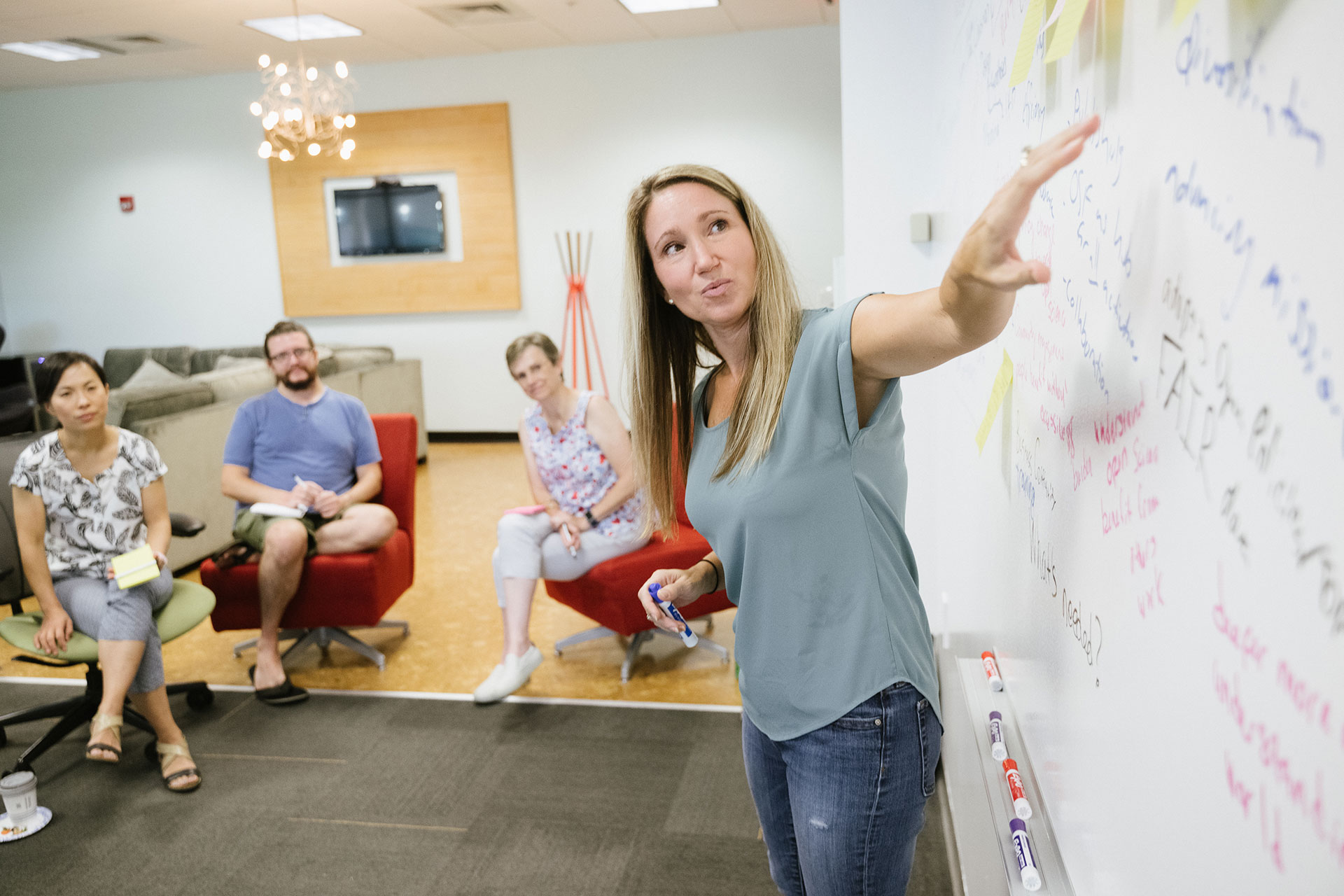
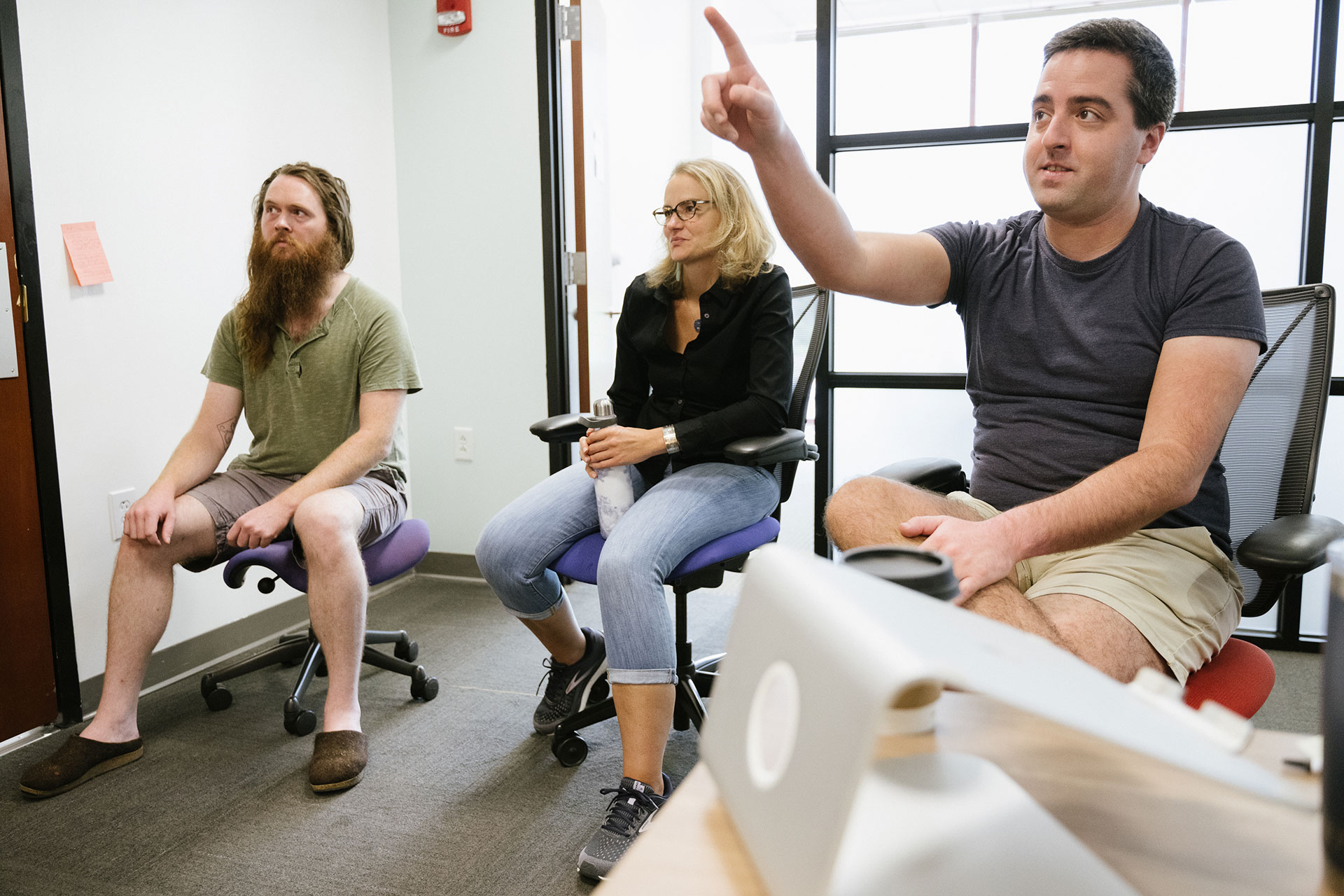
COS’s facilitated training helps your team standardize practices, cut onboarding time, implement preregistration smoothly, and meet funder expectations with confidence. Sessions are interactive and tailored to how your group works.


The focus is on what teams will change next, not someday.

Explore Team Training Options


C (600 x 600 px) (3)

For Individuals

Many researchers learn open science through trial, error, or Google.

COS’s self-paced courses give you structured, practical training on your own schedule. Learn to implement reproducible workflows, improve data management, understand preregistration, and more. Each course earns you a badge of completion to share on your CV, resume, and LinkedIn. Courses are launching soon!

Make your work more transparent and easier to build on.

Join the Early Access List ⟶


Discuss your training needs and goals with open science experts at the COS and find a training curriculum best suited for you. Reach out to ___ 

Team Training FAQs

How does the remote workshop work?

The presentation and explanation portions of the workshop are handled via Zoom by one of our trainers (and helpers as needed).  Most of us are located in Virginia (US Eastern Time). You can facilitate the delivery of the workshop in two ways:

  1. All participants join separately via video conference
    OR
  2. Participants are all together in one room locally, while the trainer is present via Zoom. Local facilitators and remote helpers should work with researchers during the exercise portions of the workshop to ensure no one gets stuck, to help pass common questions or challenges over to the remote trainer so that they can be addressed for the whole group, and to help keep to the schedule by signaling the remote trainer when the room is ready for the next material. Facilitators should review the material prior to the session. Only one facilitator must be available during the training though having two or three can be beneficial.

What are the minimum AV requirements for providing the remote workshop?

Most participants will benefit from having access to their own device (laptop or desktop computers strongly recommended for hands-on activities) during workshop sessions. This enables them to participate easily in all activities.  For sessions with a local presentation component, there should be sufficient AV equipment for participants to see and hear the trainer, as well as a microphone to speak to the trainer.

What are the minimum preparation conditions?

The trainer and facilitators should agree on the delivery method at least one week in advance.  If the facilitators are providing the video conference platform, then the facilitators and trainers should arrange to test the platform at least two days in advance.  Trainers and facilitators should plan to join the video conference at least 10 minutes before the event begins.

How do we get the word out about the workshop?

COS provides a template flyer and logos available for you to freely distribute.

How do we evaluate the success of the workshops?

COS generates standard anonymous surveys for workshop participants, delivered both before and after the event, to gauge their existing familiarity with the concepts and tools discussed, the impact of the workshop on their intention to implement various reproducibility-related practices in their research, and their general interest in additional training on these topics. We are happy to share these survey results with event organizers and/or integrate the questions into any existing training survey/feedback processes on campus.

Do you allow recording of workshops?

Yes, it is fine to record a workshop and make it available later for researchers who were unable to attend the workshops. 

Individual Training FAQs

Who is this for?

Anyone who conducts research or supports a research community or research project.

What is the format?

Online, self-paced courses delivered through Canvas Learning Management System. Researchers complete structured modules independently with no scheduled sessions required. Each course includes instructional content, practical exercises, and assessments, culminating in a completion certificate or badge. Available for individual enrollment at accessible price points, with 24/7 access for flexible learning.